Simulation design
Design is howit works.
We turn one real day of work into a simulation a candidate can play in an hour — real tasks, real decisions, scored by the people who do the job.
ON STUDIO designs job simulations for CareerOn: short, realistic versions of a real job, built from what we film on the work floor, so candidates can prove what they can do and employers can hire on evidence instead of CVs.
01
What a simulation is made of
Every ON STUDIO simulation has the same four layers, so a candidate always knows where they are and an employer always knows what was measured.
- Context — filmed introductions from the team: who they are, what the day looks like, why the role matters
- Tasks — three to five real situations taken from the shoot day, each with the documents and tools the job uses
- Decisions — moments where the candidate must choose, prioritise or explain, because that is where judgment shows
- Feedback — what a professional would have done, and why, so every candidate learns something even if they are not hired
02
How we design it
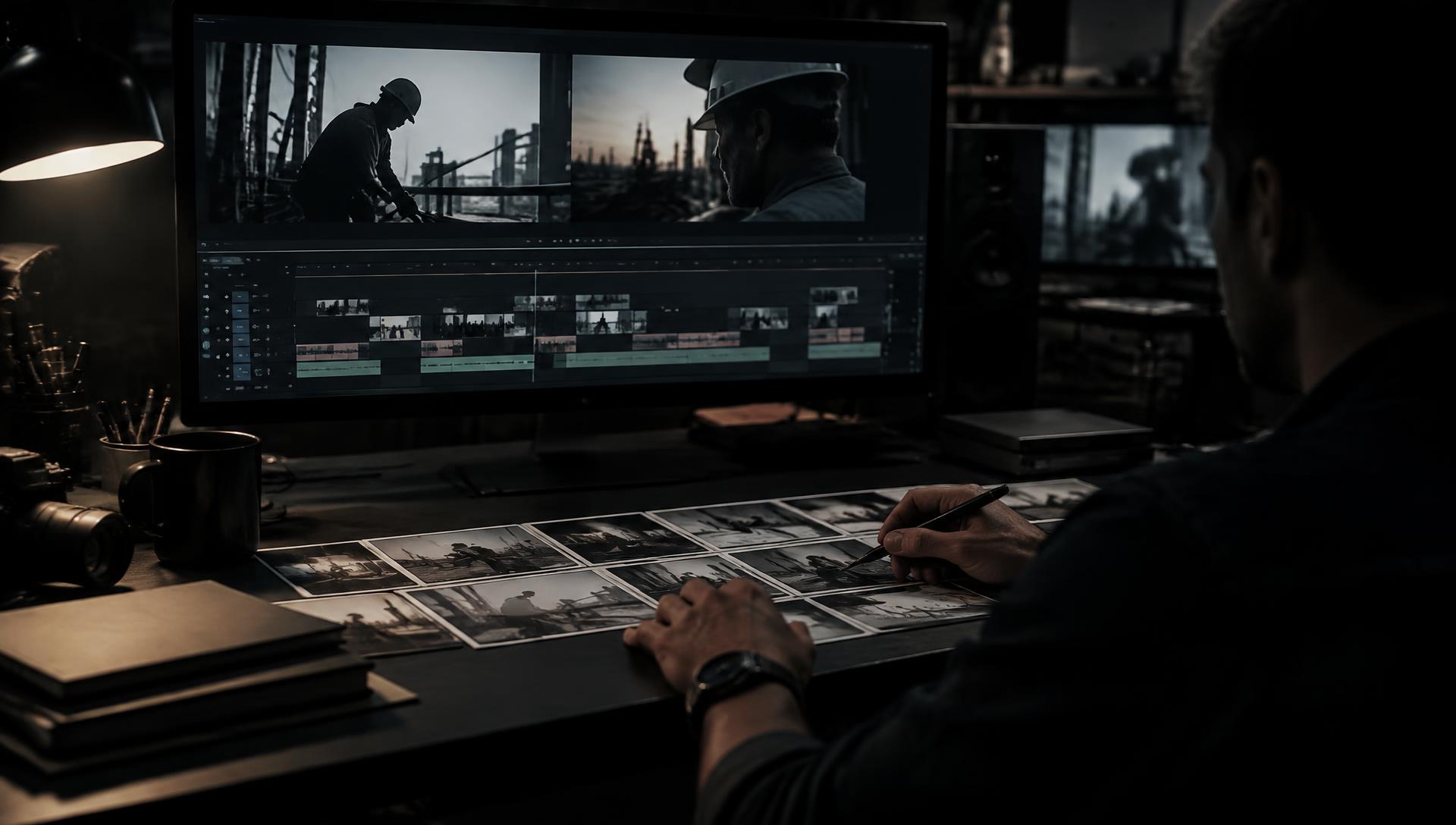
Design starts on the work floor, not in a template. We shadow the role, pick the moments that separate good from great, and build tasks around them.
- Brief: the role, the hire you are struggling to make, the skills that actually predict success
- Capture: one day filming the real work — see the method on How we capture a job
- Task design: each filmed moment becomes a task with a clear goal, real materials and a time frame
- Review: your team plays the simulation before any candidate does, and signs it off
03
How it is scored
Scoring rules are written before launch and applied the same way to every candidate. Names, schools and photos play no part in the result.
- Criteria come from the professionals filmed, stated in plain words
- Each task shows what was assessed, so candidates understand the result
- Employers see work, not pedigree — the fairest first filter we know
04
Designed to be finished
A simulation only works if strong candidates complete it. We design for clarity and respect for their time: one task per screen, visible progress, and nothing that feels like a trick.
- Works on a phone as well as a laptop
- Plain language, no jargon the candidate could not know yet
- Save and return — nobody loses work to a dropped connection
05
Who it is for
Employers around Grenoble who want to hire juniors by seeing their work — semiconductors, energy, research labs, startups — and schools that want students to try a job before choosing it.
Let's design your simulation.
Name one role. We reply within one working day with an outline of the tasks and a fixed price.